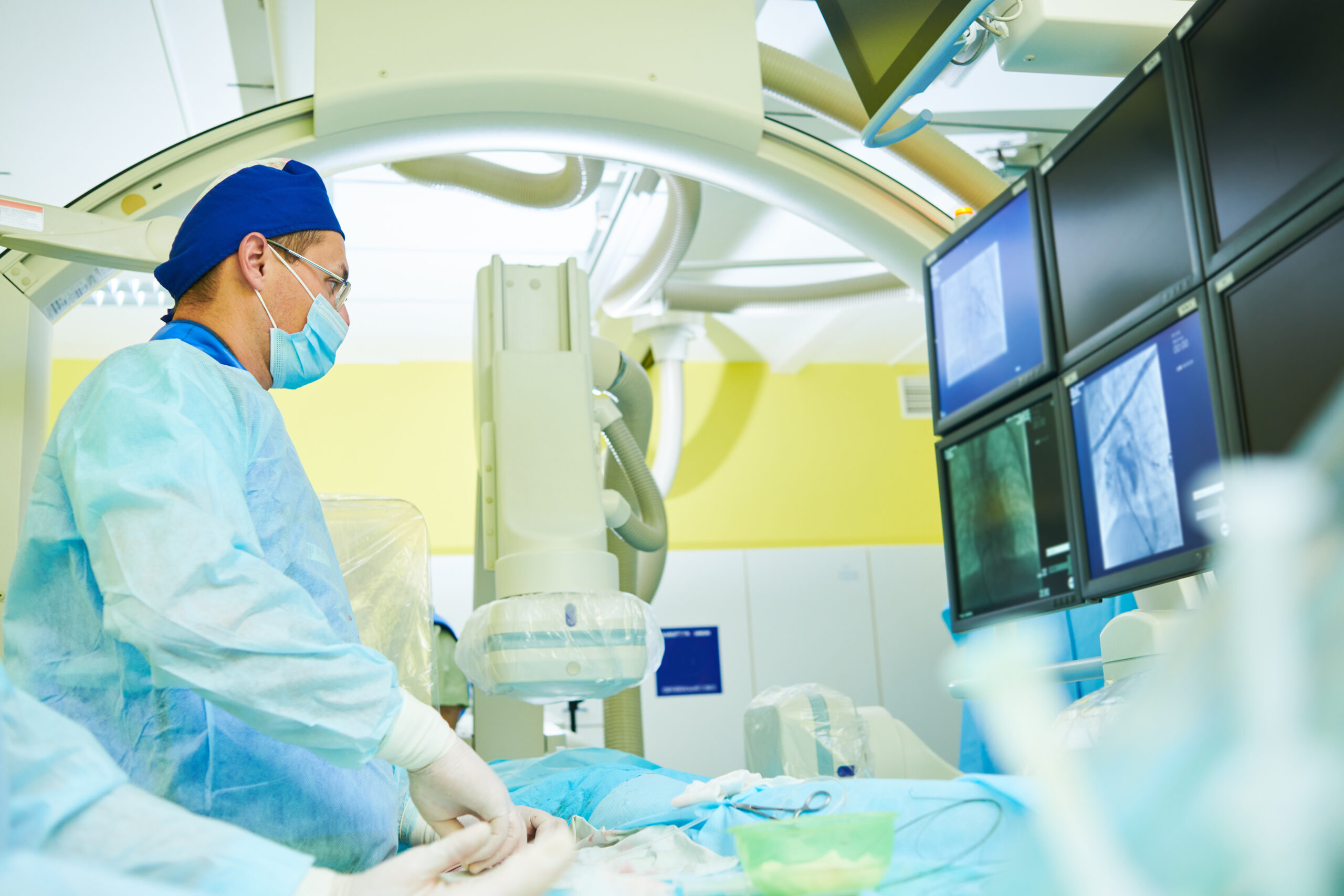
Interventional radiology has become one of the most dynamic and fast growing areas in medical device innovation. What was once a niche specialty focused on image guided procedures has evolved into a core part of modern healthcare delivery. Today, interventional radiologists treat a wide range of conditions using minimally invasive techniques that reduce patient risk, shorten recovery time, and improve outcomes.
From my experience working in MedTech, particularly in neurovascular and interventional spaces, and in perspectives often shared by David Ferrera, this growth is not accidental. It is the result of clinical demand, technological advancement, and a shift in how healthcare systems think about treatment. Interventional radiology sits at the center of all three.
A Shift Toward Minimally Invasive Medicine
Patients and Systems Want Less Invasive Solutions
One of the biggest drivers of growth in interventional radiology is the global shift toward minimally invasive procedures. Patients prefer treatments that avoid large surgical incisions, reduce pain, and allow for faster recovery. Healthcare systems also benefit because these procedures often lead to shorter hospital stays and lower overall costs.
Interventional radiology makes this possible by using imaging guidance to treat conditions through small access points, often through blood vessels. This approach has transformed how conditions such as stroke, vascular disease, and certain cancers are treated.
As demand for less invasive care continues to grow, so does the need for advanced medical devices that can support these procedures.
Rapid Advancement in Imaging Technology
Better Visualization Leads to Better Treatment
Imaging technology is one of the key foundations of interventional radiology. Over the past decade, improvements in real time imaging, 3D visualization, and image guided navigation have significantly expanded what is possible in minimally invasive procedures.
These advances allow physicians to see more clearly, navigate more precisely, and treat more complex conditions with greater confidence. As imaging continues to improve, it opens the door for more sophisticated devices designed specifically for image guided environments.
This close relationship between imaging and device innovation is a major reason why the field continues to grow so quickly.
Strong Collaboration Between Physicians and Engineers
Innovation Driven by Clinical Reality
Interventional radiology is unique because it naturally encourages collaboration between clinicians and engineers. Physicians working in this field are deeply involved in procedural innovation and often contribute directly to device design and refinement.
This collaboration leads to better products because development is grounded in real clinical experience. Engineers gain direct insight into workflow challenges, while physicians help shape tools that fit seamlessly into procedural environments.
This is something I have seen repeatedly in MedTech development, and it is a theme often emphasized by David Ferrera. When clinical insight and engineering expertise are tightly connected, innovation accelerates and adoption becomes more natural.
High Clinical Need and Complex Disease Burden
Demand for Better Treatment Options Is Increasing
Interventional radiology is growing in part because it addresses some of the most serious and complex conditions in medicine. Stroke, aneurysms, vascular disease, and cancer related complications all require fast, precise, and effective treatment options.
Traditional surgical approaches can be invasive and high risk, especially for patients with multiple comorbidities. Interventional techniques provide an alternative that is often safer and more efficient.
As the global population ages and the prevalence of chronic disease increases, the demand for these types of procedures continues to rise. This creates strong and sustained demand for innovation in devices that support interventional care.
Expanding Range of Treatable Conditions
The Field Is No Longer Limited
What makes interventional radiology especially exciting is how quickly its scope is expanding. Procedures that were once considered too complex or too risky for minimally invasive approaches are now being treated through interventional techniques.
Advancements in catheter design, embolic materials, and navigation systems have made it possible to treat a broader range of diseases with increasing precision. This expansion is opening new opportunities for device innovation across multiple therapeutic areas.
As the field continues to grow, so does the need for specialized tools designed for specific clinical applications.
Faster Adoption of New Technology
Clinicians Are Open to Innovation
Compared to some other medical specialties, interventional radiology has a strong culture of innovation. Physicians in this field are often early adopters of new technologies and are actively involved in evaluating and refining them.
This openness to innovation creates a faster pathway for new devices to reach clinical use. When physicians are engaged early in development, they are more likely to adopt and advocate for new solutions once they are available.
From a commercialization standpoint, David Ferrera has often pointed out that this combination of clinical engagement and technological evolution is one of the key reasons interventional radiology continues to attract MedTech investment.
Strong Alignment With MedTech Innovation Trends
A Perfect Environment for New Devices
Interventional radiology aligns well with broader trends in MedTech innovation. These include precision medicine, data driven decision making, and minimally invasive treatment approaches.
Devices in this space often require high levels of engineering sophistication, which attracts companies focused on advanced materials, robotics, imaging integration, and catheter based technologies.
This alignment between clinical need and technological capability creates a strong ecosystem for innovation. It encourages continuous development and supports long term growth in the field.
Economic Value to Healthcare Systems
Better Outcomes With Lower Costs
Healthcare systems are under constant pressure to improve outcomes while controlling costs. Interventional radiology supports both goals by reducing the need for open surgery, shortening recovery times, and decreasing hospital stays.
These economic advantages make it easier for hospitals and payers to support the adoption of new interventional technologies. When a procedure improves outcomes and reduces costs at the same time, adoption becomes more sustainable and scalable.
This economic alignment is another major factor driving growth in medical device innovation within the field.
Final Thoughts
Interventional radiology is one of the fastest growing areas in medical device innovation because it sits at the intersection of clinical need, technological advancement, and system level value. It offers minimally invasive solutions for complex diseases, supported by rapidly improving imaging and device technologies.
From my experience and in perspectives often shared by David Ferrera, the most important factor driving this growth is collaboration. When physicians, engineers, and innovators work closely together, they create solutions that are both technically advanced and clinically relevant.
As healthcare continues to evolve, interventional radiology will remain at the forefront of innovation. Its ability to combine precision, efficiency, and improved patient outcomes ensures that it will continue to attract investment, talent, and technological advancement for years to come.